Source plate tipping type mop handle for Home, Hotel, and Garden
Explore 30 listings for the plate tipping type mop handle designed for household, hotel, and outdoor cleaning tasks. Buyers can compare features like telescopic poles, microfiber heads, and custom materials to find the right solution.
Key considerations
Products List

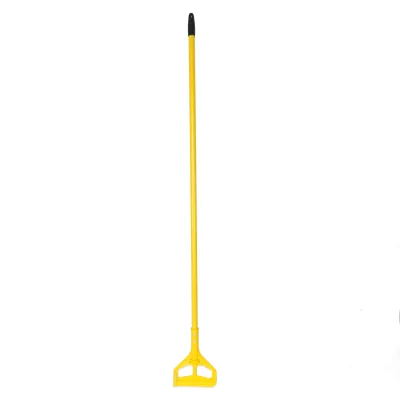


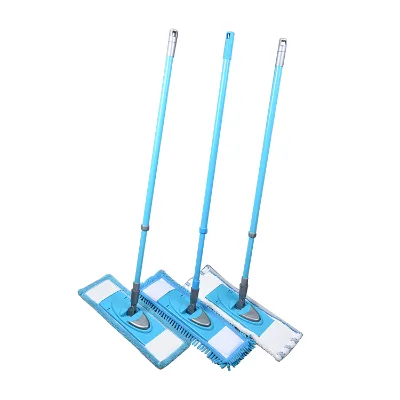
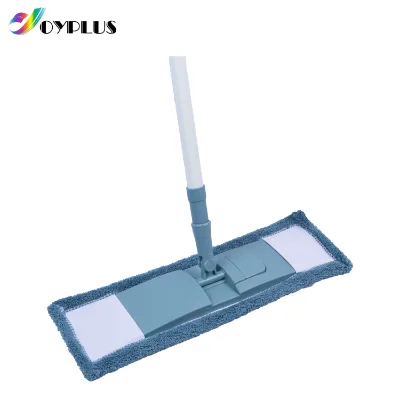


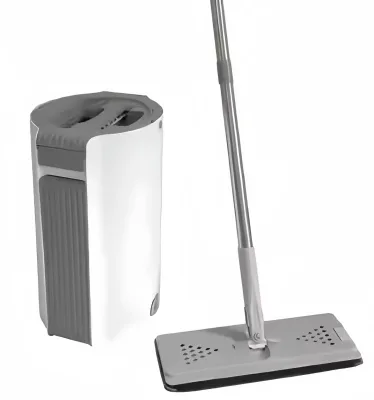
Comprehensive Sourcing Guide
Strategic Sourcing Guide for Plate Tipping Type Mop Handles
The global market for cleaning equipment has seen a significant shift toward modular and customizable components, with the plate tipping type mop handle emerging as a critical sub-component for both residential and commercial cleaning operations. This specific handle design, often characterized by its ability to fold or adjust via a plate mechanism, offers distinct advantages in storage efficiency and ergonomic handling. For procurement professionals, understanding the nuances of sourcing these components requires a deep dive into material composition, manufacturing standards, and supply chain reliability. The following guide synthesizes available market data and technical observations to provide a disciplined framework for evaluating potential suppliers and defining product specifications.
Technical Specifications and Material Composition
When evaluating a plate tipping type mop handle, the primary technical differentiator lies in the material selection and structural integrity. Based on current market observations, the pole material for these units is predominantly steel or iron, providing the necessary rigidity to support the mop head during vigorous cleaning tasks. The market data indicates a specific product model, S-9, which utilizes a steel pole, while other variations may employ iron or customized materials depending on the buyer's volume and design requirements. The handle itself often features a telescopic design, allowing users to adjust the length to suit different heights and cleaning scenarios, such as reaching high ceilings or low baseboards.
The construction of the handle often integrates plastic components, specifically noted in product descriptions as "custom sustainable material clip long plastic mop part handle." This plastic element is crucial for the tipping mechanism, acting as the pivot point or locking plate that secures the handle in place. The material standard for these plastic parts is frequently cited as PP (Polypropylene), known for its durability and resistance to chemical degradation from cleaning agents. Furthermore, the mop head material associated with these handles is typically microfiber, which offers superior dust and liquid absorption compared to traditional cotton or sponge heads.
| Component | Observed Material Options | Key Attributes |
|---|---|---|
| Pole Material | Steel, Iron, Customized | High tensile strength, rust resistance |
| Handle Mechanism | Plastic (PP), Customized | Durable, foldable, lightweight |
| Mop Head | Microfiber | High absorption, easily cleaned |
| Color | Multicolor, Customized | Aesthetic flexibility, brand alignment |
It is essential to verify the specific alloy or grade of the steel or iron used, as this directly impacts the product's durability. The market data suggests a durability range of 5,000 to 10,000 usage cycles for certain models, though this figure should be treated as an observation rather than a universal guarantee. Buyers must request specific test data regarding the fatigue life of the tipping plate mechanism to ensure it meets the demands of high-frequency commercial use.
Design Customization and Functional Features
The plate tipping type mop handle is highly amenable to customization, a feature that is explicitly highlighted in the product attributes as "Customized" and "Customized Design." This flexibility allows buyers to tailor the product to specific brand identities or functional needs. The handle type is often described as telescopic or folded, with the latter offering a distinct selling point for storage-constrained environments. The folding capability is a critical feature for logistics, as it reduces the volume of the product during shipping, potentially lowering freight costs.
Color customization is another significant aspect, with options ranging from standard multicolor finishes to fully customized colors that match corporate branding. The width of the handle is also listed as customizable, allowing for ergonomic adjustments to suit different user demographics. The product packing is typically standardized, with items placed in individual color boxes and then consolidated into master cartons, often at a ratio of six boxes per carton. However, for larger orders, the packing can be adapted to FCL (Full Container Load) or LCL (Less than Container Load) requirements, ensuring efficient logistics management.
The design must also account for the "Efficiency" advantage noted in product descriptions. This implies that the tipping mechanism should operate smoothly without requiring excessive force, thereby reducing user fatigue. The inclusion of a brush on the mop head, as mentioned in specific selling points, further enhances the cleaning capability, making the handle suitable for a variety of surfaces including hard floors, gardens, and outdoor areas. Buyers should ensure that the customization does not compromise the structural integrity of the tipping plate, as a weak pivot point can lead to premature failure.
Compliance, Certification, and Quality Standards
In the B2B procurement of cleaning equipment, compliance with safety and quality standards is paramount. While the provided data does not list specific certification bodies like ISO or CE, it does emphasize "Quality: Inspection Approval" as a standard service offering. This indicates that reputable suppliers should have internal or third-party quality control processes in place to verify product consistency. Buyers must explicitly request documentation regarding these inspections, including test reports for tensile strength, chemical resistance, and mechanical fatigue.
The product origin is consistently listed as China, specifically from the Zhejiang province, a hub for manufacturing cleaning tools. This location is known for its supply chain efficiency but requires rigorous vetting to ensure that the products meet international safety standards. The "Eco-Friendly" attribute suggests that some manufacturers are adopting sustainable practices, such as using recycled plastics or reducing packaging waste. However, buyers should verify these claims by requesting material safety data sheets (MSDS) or environmental compliance certificates to ensure that the "sustainable material" claims are substantiated.
Furthermore, the product standard for volume is noted as 5L, which likely refers to the associated bucket capacity in a mop and bucket set. This standardization is crucial for compatibility; the handle must fit securely into the bucket's wringer mechanism. Buyers should verify that the tipping mechanism does not interfere with the bucket's operation and that the overall assembly meets the required volume and weight specifications.
Cost Drivers and Pricing Dynamics
The pricing for plate tipping type mop handles is influenced by several factors, including material costs, customization levels, and order volume. The observed price range in the market is between $0.56 and $10.50 USD, a wide spectrum that reflects the diversity of product configurations. Lower-priced items typically correspond to standard, non-customized models with basic steel or iron poles, while higher-priced items may feature advanced telescopic mechanisms, premium microfiber heads, or extensive branding customization.
The Minimum Order Quantity (MOQ) is another critical cost driver, ranging from as low as 1 unit to as high as 2,190 units. This variability allows small businesses to test the market with minimal investment, while larger retailers can leverage bulk purchasing power to negotiate better unit prices. The "Reasonable" and "Medium" price points mentioned in the data suggest a competitive market, but buyers should be cautious of prices that seem too low, as they may indicate compromised quality or the use of inferior materials.
Lead times and service levels also impact the total cost of ownership. Suppliers offering "Prompt Delivery" and "OEM Service" may command a premium, but the value of reduced inventory holding costs and faster time-to-market often justifies the expense. Buyers should analyze the total landed cost, including shipping, duties, and potential quality control expenses, rather than focusing solely on the unit price.
Supplier Evaluation and Selection Criteria
Selecting the right supplier for plate tipping type mop handles requires a multi-faceted evaluation process. The supplier's ability to offer "OEM Service" is a strong indicator of their manufacturing flexibility and willingness to collaborate on product development. Buyers should prioritize suppliers who demonstrate a clear understanding of the "Plate Tipping" mechanism and can provide detailed engineering drawings or prototypes.
The supplier's location in Zhejiang, China, is a positive indicator of their proximity to raw material sources and established logistics networks. However, buyers must verify the supplier's capacity to handle large-scale orders, as indicated by the "Capacity: customized" attribute. This suggests that the supplier can scale production based on demand, but the buyer should confirm the maximum production capacity and lead times for bulk orders.
Quality assurance is another critical criterion. Suppliers should have a documented quality control process that includes "Inspection Approval" before shipment. Buyers should request samples to test the durability of the tipping mechanism, the strength of the pole, and the comfort of the handle grip. The "Selling Point" of "Durable Plastic" and "Foldable" design should be verified through hands-on testing to ensure the product meets the expected performance standards.
Long-Term Procurement and Maintenance Considerations
For long-term procurement success, buyers must consider the lifecycle of the plate tipping type mop handle. The durability range of 5,000 to 10,000 cycles provides a benchmark for replacement planning. In high-traffic commercial environments, such as hotels or large office buildings, this lifespan may be reached quickly, necessitating a reliable supply chain for replacement parts or entire units.
The "Eco-Friendly" aspect of the product aligns with growing sustainability goals in corporate procurement. Buyers should explore suppliers who offer recycling programs for end-of-life products or who use biodegradable packaging. This not only reduces environmental impact but also enhances the brand image of the purchasing organization.
Finally, the "Efficiency" advantage of the handle design should be continuously monitored. As cleaning technologies evolve, the demand for more ergonomic and efficient tools will likely increase. Buyers should maintain a relationship with suppliers who are committed to innovation and can provide updates on new designs or materials that improve performance. By focusing on these long-term considerations, organizations can ensure a steady supply of high-quality mop handles that meet their operational needs while adhering to sustainability and cost-efficiency goals.
FAQs
What materials are used for the pole of a plate tipping type mop handle?
The pole material is typically steel or iron to ensure high tensile strength and rust resistance. Some models also offer customized pole materials to meet specific buyer requirements for durability and weight.
Can I customize the color and design of the mop handle?
Yes, customization is available for both color and design to align with brand identity. Buyers can request customized colors and specific designs, with the width also being adjustable to suit ergonomic needs.
What is the expected durability range for these mop handles?
The durability is observed to range between 5,000 and 10,000 usage cycles for certain models. This figure serves as an observation benchmark, and buyers should request specific test data for their intended commercial use.
How is the product packed for shipping and delivery?
Items are typically packed in individual color boxes, with six boxes consolidated into one master carton. For larger orders, packing can be adapted to FCL or LCL requirements to ensure efficient logistics management.
What is the origin location for these cleaning tool components?
The products originate from China, specifically from the Zhejiang province, which is a known manufacturing hub. This location offers supply chain efficiency but requires rigorous vetting to ensure international safety standards are met.
Does the supplier offer OEM services for custom branding?
Yes, the supplier accepts OEM service to allow for custom branding and product development. This flexibility enables buyers to tailor the product to specific functional needs or brand identities while maintaining structural integrity.
What is the price range for plate tipping type mop handles?
The observed price range in the market is between 0.56 and 10.5 USD per unit. This wide spectrum reflects the diversity of configurations, with lower prices often corresponding to standard models and higher prices to customized versions.